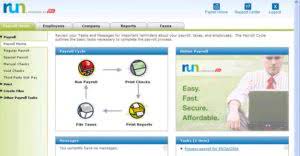
Developing a systemic approach Bookkeeping for Chiropractors to handling business transactions and financial records is crucial. This involves choosing an appropriate bookkeeping method, such as cash or accrual, and consistently categorizing and recording all business transactions. Maintaining accurate records not only aids in preparing precise tax returns, but also in analyzing business performance. Moreover, organized bookkeeping can simplify the process of forecasting budgets and managing cash flows, which allows for more strategic planning and investment in the business. Considering this, are you looking for an effective accounting solution that puts security and ease of use first?
Understanding Sole Proprietorship
- However, many sole proprietors end up turning their businesses into LLCs later on when they’re ready to scale up.
- Understanding criteria, accurate calculations, and prompt payments are key for individuals with irregular income.
- This strategic approach not only fosters operational agility but also ensures that the chosen software aligns with the proprietor’s budget constraints and technological proficiency.
- This will ensure that all your financial records are accurate and up to date, helping you make smart business decisions and avoid any financial mistakes or errors.
- Finally, the last step in setting up bookkeeping for your sole proprietorship is to run reports for your general ledger and trial balance.
- While not mandatory, hiring an accountant can prove beneficial, especially when dealing with complex financial situations or preparing tax returns.
This also protects the owner (or owners, as an LLC can have multiple) from personal liability, and the business is treated separately for tax purposes. Because of this separation, LLCs are often given larger lines of credit or more likely to attract future investments in times of growth. The easiest way to track this information is to use accounting software for freelancers, which automates all of your accounting processes, such as invoicing customers and reconciling your bank accounts. In conclusion, mastering bookkeeping is crucial for sole proprietors to maintain financial health and compliance.

Preparing Financial Statements
This is essential for investors, lenders, and other stakeholders who rely on accurate financial information. It ensures recording transactions a trusted business environment by overseeing companies, accountants, and corporate service providers. Its functions include registration, financial reporting, auditing, governance, and disclosure.

What is a sole proprietorship Singapore?

Sole proprietorships in Switzerland must keep their accounts for at least ten years. This serves as proof of business transactions and business events that the tax authorities can verify. Despite such small companies are exempt from auditing, they still need to prepare accurate financial statements that comply with the standards in Singapore. ACRA will list both addresses on its website, so be aware that the address of your separate legal entity will be available to the public. It’s important to keep track of your receipts because the IRS requires them for all tax deductions.

Post-Incorporation Activities for Sole Proprietorships
Financial data provides valuable insights that enable sole proprietors to navigate decision-making processes effectively. By weighing different options based on financial implications, they can steer their businesses towards success. Comparing limited liability companies (LLCs) with sole proprietorships, LLCs offer limited personal liability protection.
- Our experienced professionals will get it done for you, letting you concentrate more on your business.
- These records contribute to determining the business’s profitability and are essential for reporting purposes, including sales tax calculations.
- Factors such as scalability, usability, integration capabilities, security features, and pricing must be carefully evaluated to align with the proprietor’s objectives and operational preferences.
- For example, if you accidentally set your client’s house on fire, you’d be personally liable for all of the damages.
- This simplicity not only fosters agility but also grants sole proprietors unparalleled control over their businesses, allowing for quick decision-making and adaptation to market dynamics.
- They try to deduct their cost of commuting to work, for example, or all of their household expenses (instead of just a portion) because they work from home.
- Thus, it is essential for business owners, especially sole proprietors, to keep their finances structured and balanced.
Because the owner and the business are the same in a sole proprietorship, it can leave the owner vulnerable in multiple ways. Any business debts owed are also considered a personal debt, and any lawsuits against the business also implicate the owner. If these result in collections or sole trader accounting seizures, the owner’s personal assets can be taken in order to meet the obligations of the business. A sole proprietor is able to hire employees and is responsible for employment taxes, while a freelancer usually cannot do this without filing paperwork and effectively becoming a sole proprietor. Freelancers also do not have to adhere to the same local regulations that a business might and cannot purchase the same types of insurance. A freelancer or independent contractor is considered somebody who has a relationship with external clients, while a sole proprietorship operates as a small business.